VDG INSIGHT | Automotive Industry Outlook
Safety Over Sleek: Why China Is Reversing Major EV Trends
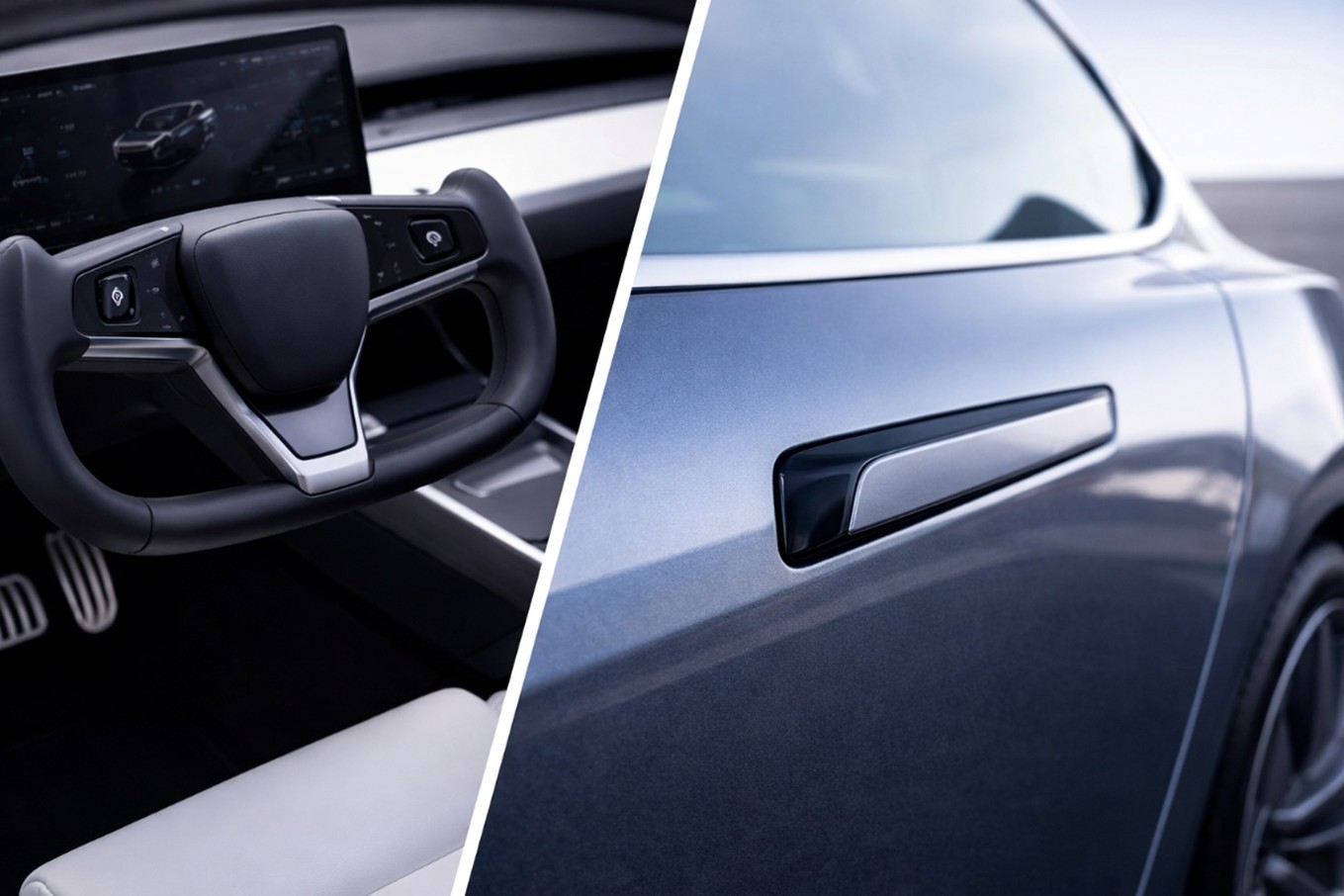
Over the past decade, the innovation of flush door handles has been a defining design in the electrification of vehicles. Starting in China, with Tesla in 2012, other global OEMs like Rang Rover and Porche, followed suit, adopting the aesthetic. But flush handles were never meant to be purely aesthetic, they offered marginal aerodynamic gains, contributing to range optimisation which was a critical selling point in EV development.
But this design will come to an end in the world’s largest automotive market, as China announced that as of January 1st, 2027, they will be banning fully flush, electronically retractable door handles on passenger vehicles sold in China. For one critical reason, emergency access.
Ministry of Industry and Information Technology (MIIT)
China’s Ministry of Industry and Information Technology (MIIT) announced the new automotive safety requirements, with a major shift with vehicle safety and design, causing global implication for the automotive industry. The ban on flush door handles, alongside yoke steering wheels, signals a renewed focus in electric vehicle design on traditional, mechanically intuitive safety features. These new safety regulations mean that vehicles must have operating door handles on all passenger vehicles, which are accessible both inside and outside the vehicle, even where the vehicle may have had loss of electrical power. Alongside this new safety testing regulations, published in a draft of revised mandatory automotive safety standard, ultimately mean that Yoke steering wheels will automatically fail testing. All steering wheels will now undergo 10 impact testing points around the rim, including the top centre putting an end to the niche EV feature.
Why is China Is Doing This?
Safety, redundancy, and intuitive usability are reasserting themselves as non-negotiable fundamentals within the automotive sector. The Chinese government undertook extensive research and safety testing on flush door handles, to examining how they perform when electrical systems fail during high-impact crashes or battery-related incidents. The findings highlighted a critical vulnerability: when vehicle power is compromised, certain electronic door mechanisms may not deploy, preventing not only passenger but also first responders from gaining immediate access.
China reportedly started reviewing these systems in 2024 following several high-profile EV crashes. In some cases, investigations suggested that electrical failure contributed to doors remaining locked or difficult to open, exacerbating already dangerous situations. These incidents intensified regulatory scrutiny and accelerated calls for mechanical redundancy. In emergency scenarios, vehicle systems must remain operable without power, without software, and without delay.
Technical and Industry Implications
In the early stages of automotive electrification, EVs were deliberately designed to stand apart from internal combustion engine vehicles. They signalled a clear break from tradition, leaning heavily into futuristic design cues, flush door handles, and unconventional steering formats, to reinforce technological leadership and establish a distinct identity for this new category of vehicle.
That strategy proved effective across the globe. Today, it is estimated that more than 60% of EVs sold in China feature flush door handles, underlining how quickly the design became mainstream rather than niche. But now, major OEMs including Tesla, Nio, Li Auto, Xpeng and Xiaomi have adopted the feature across multiple models. These manufacturers will now need to undertake significant redesign and revalidation work to ensure compliance. What was once a defining symbol of innovation is now being reassessed through a risk-management lens. As the EV market matures, differentiation through futuristic styling is giving way to a stronger emphasis on safety resilience and regulatory alignment.
Early consumers of electric vehicles were not only buying efficiency, but they were buying innovation, status, and a sense of participating in the future of mobility. These features became visual cues of technological advancement. It could be possible that the removal of these features risks narrowing the gap between what is considered premium EVs and mainstream offerings.
Not only will vehicle design aesthetics be affected, but there may also be a marginal impact on efficiency. Flush door handles were originally introduced in part to optimise aerodynamics, contributing incrementally to an EV’s overall range performance, maximising battery performance. By sitting level with the vehicle body, they reduce airflow disruption and help lower drag. Returning to traditional protruding handles will slightly increase aerodynamic drag, which can have a small impact on efficiency, particularly at higher speeds. However, the overall effect is expected to be minimal, and some may say is a very small efficient compromise.

What comes next?
China has introduced phased implementation timelines to ease disruption. Already-approved yoke-style steering models will be granted a 13-month grace period to comply, while certain door-handle designs will be permitted a longer transition window extending through January 2029. This staggered approach is intended to reduce sudden production halts and give manufacturers time to adapt.
This redesign transition may be far from simple, even with these allowances. There may be challenges to a range of redesign engineering to ensure all changes are compliant. Crash validation and safety testing along with integrating mechanical overriding systems may be the most complex, particularly with mid-cycle models.
While the grace periods provide some breathing space, they do not remove the underlying operational challenge. Many OEMs now face a critical strategic decision: should they redesign vehicles specifically for the Chinese market, or standardise these changes across their global platforms?